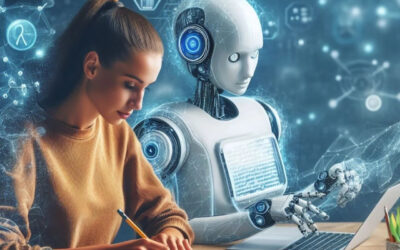
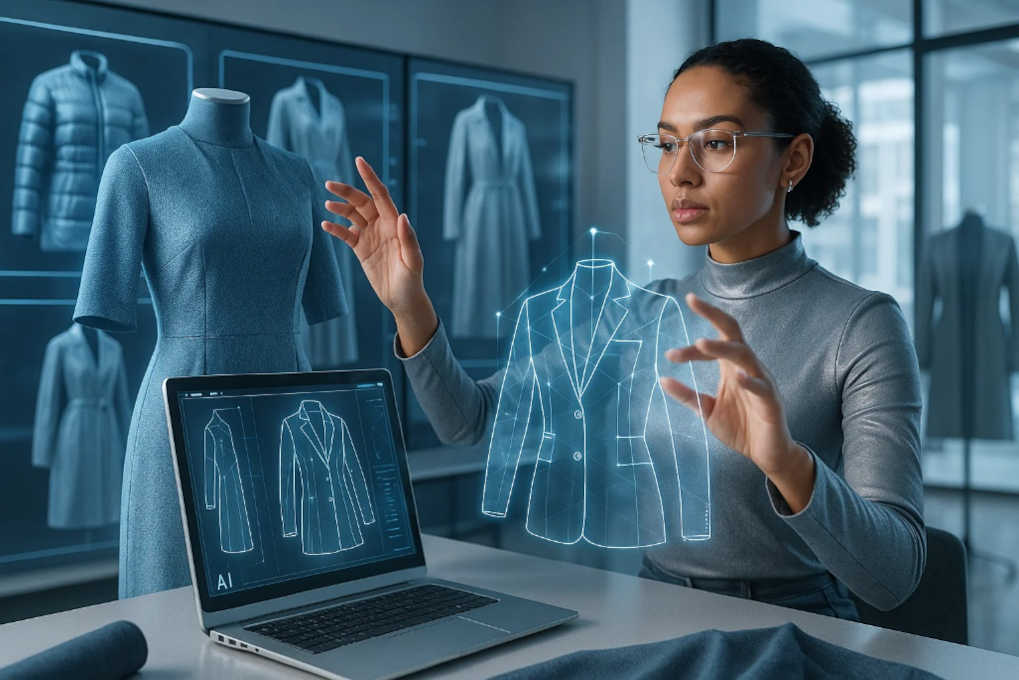
Generative AI has emerged as a powerful tool in fashion design, supporting activities such as ideation, sketching, and creativity enhancement. Fashion design requires creativity, pattern making; the technical components, materials selection and sewing skills, it is a labour intensive industry.
Text-to-image generators like DALL-E3, Midjourney, and Stable Diffusion have revolutionised the creation of realistic images and artworks from textual descriptions. These systems are critical when you consider the process of ideation, but there is the risk of template design and the emerging challenge of AI co-creation patents.
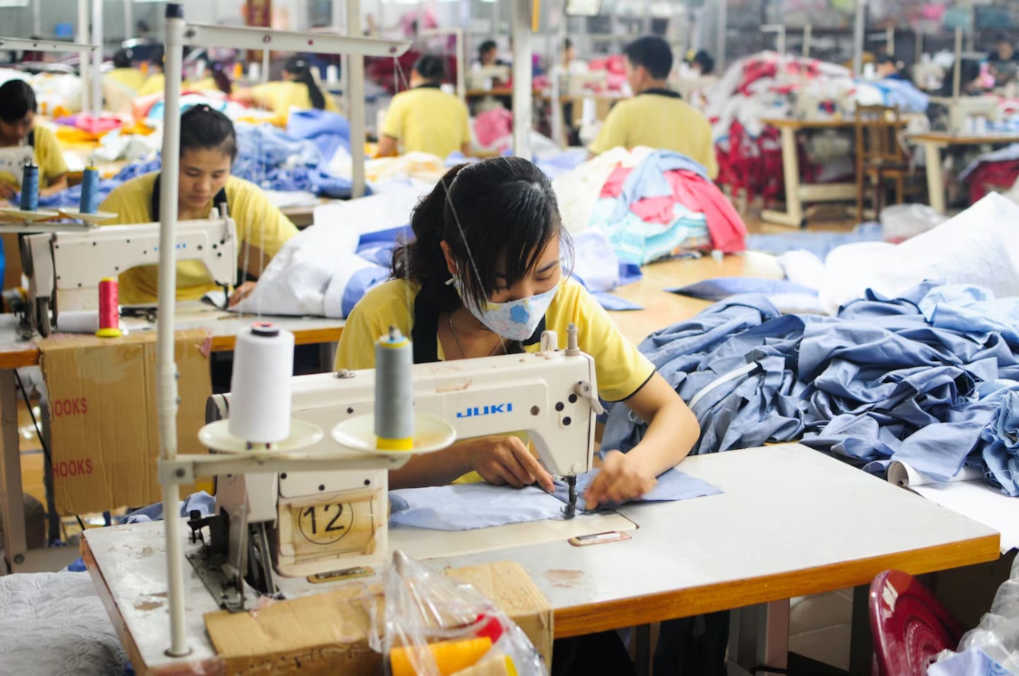
Let’s consider the pattern making element for a second. It used to be very challenging to design a garment and see the exact same design come to life. The designer used to live on hope that a garment could be made as they had imagined it. The pattern makers would pick it apart and the technical team would spend days deciphering how complex it would be to make. The components were built separately and then set together in the hope that it would result in a strong garment.
Technology has improved things dramatically through the creation of more versatile materials to more refined engineering in pattern making. But AI catapulted the industry into a different era with digital fashion shows and AI generated sketches.
Today the designer can dream a little more, imagine creating a complex caricature of horticultural couture, an AI program can unwrap this into more than 3 different design patterns, allowing the designer to improve on the original concept. Recent advancements such as CLO3D & DALL – E3 have developed tools for AI enhanced sketching and rendering, showing advancements in the co-creation process between designers and tech. It has also significantly decreased the barriers to entry for designers.
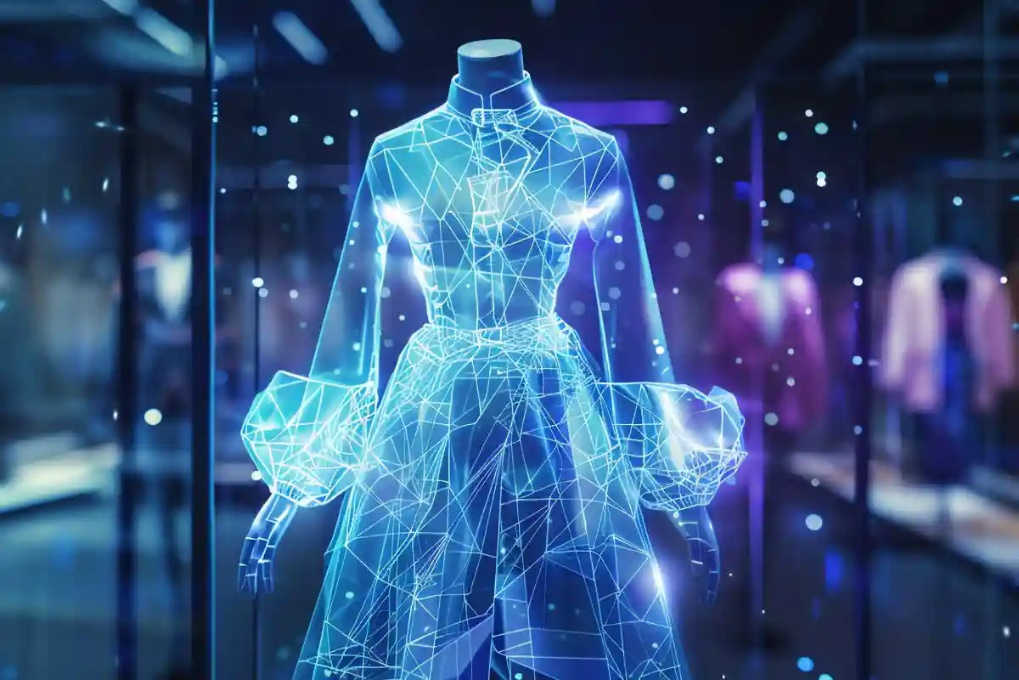
Additional innovations include notes on materials and expected garment flow. But AI does not know how you feel when you put on a suit or a dress, it has no wind, snow or rain, it also has no ideas after you reach size 38, so all those jobs are safe.
AI’s market entry is prime positioning because, pattern is the gem of garment design; it directs material cutting and application. Think about it, the biggest challenge in fashion is bringing the garment to life. If the AI delivers on colour coding, stitch selection and material patching. It allows the designer to make numerous decisions before cutting and final rendering. Saving time and money and decreasing the carbon footprint of fashion. Now that is AI engineering in motion, not just a Google search.
What I find most interesting is that the current positioning of AI in the fashion industry means that the most important person in the room is the garment maker. The real-life render has the highest dependency on human capability.