
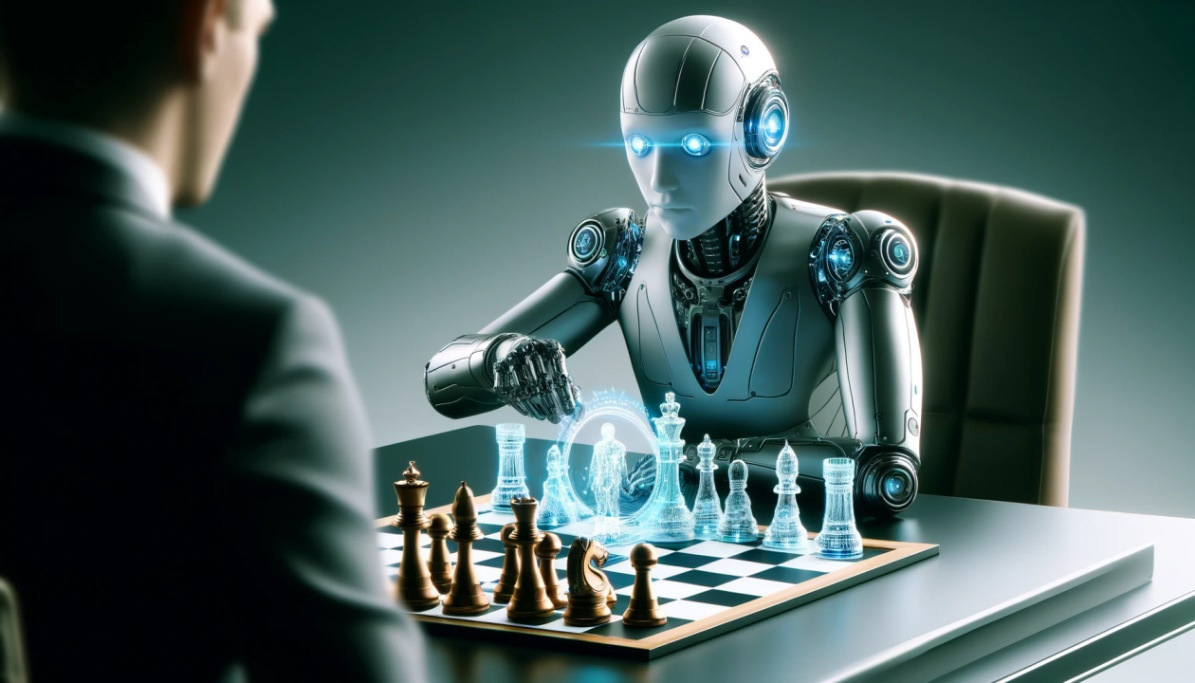
If you are an old chicken like me, ‘free range’ to be precise, you will appreciate this piece on AI development over the years. Most people have not given consideration to the fact that AI is not some new – new, innovation series, it is decades of accumulated data through various platforms that has now been quarantined to be useful to us all.
Think about online chess, it was designed through the data capture, move by move of real chess players in the late eighties and into the nineties. The original online grandmasters worked with the development team, Joel Benjamin, Miguel Illescas, John Fedorowicz and Nick de Firmian developed over 200 million moves all in an attempt to beat Kasparov at his own game. Deep Blue (IBM) could make counter decisions within 3 minutes, and after 10years playing against Kasparov the system incorporated all his moves too.
For numerous reasons, we could all stop and start regulating the AI environment, but for the moment let’s admire this ingenuity. Kasparov could see what was happening but still wanted to prove that man had more moves than machine, and he did on numerous occasions, beating Deep Blue purely through confusion and agility which only the human mind can gather. Kasparov also knew what we know today the human peak is shortlived, his work with Deep Blue stretched and strengthened him like no individual human could. Working with the Deep Blue team, Kasparov was able to leave a lasting impact on the game he loved.
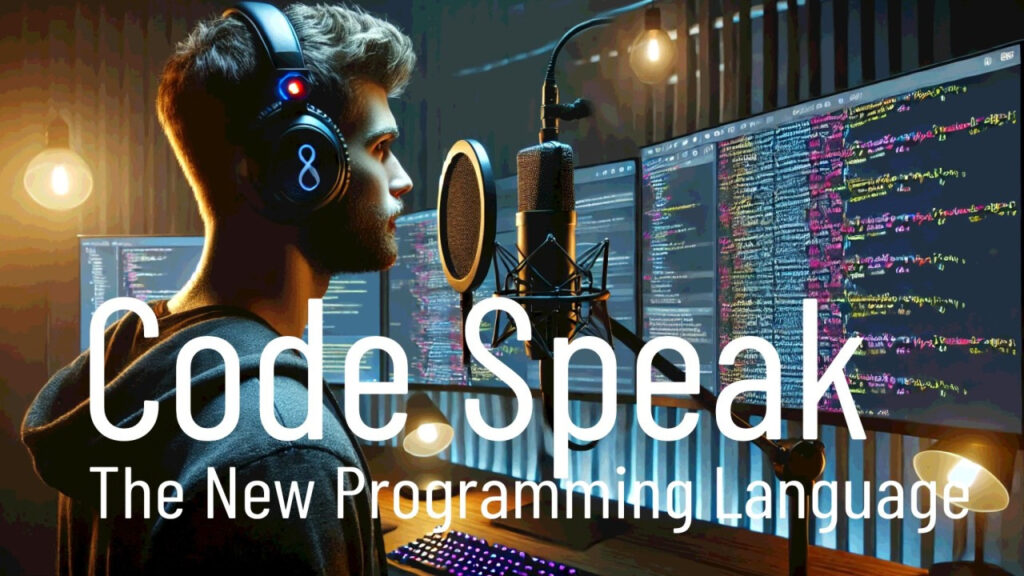
Today generative AI is able to take natural language guidelines and develop code, allowing more people to apply AI tech in their organisations for problem solving. New skills like language prompts that create the desired outcomes have opened the tech dev market to creatives. Knowledge of language that leads to positive action is essential, chat bots might be programmed with all the answers but still struggle to position information for learning outcomes. People are essential in designing AI intelligence that results in improved life experiences for the greater good.
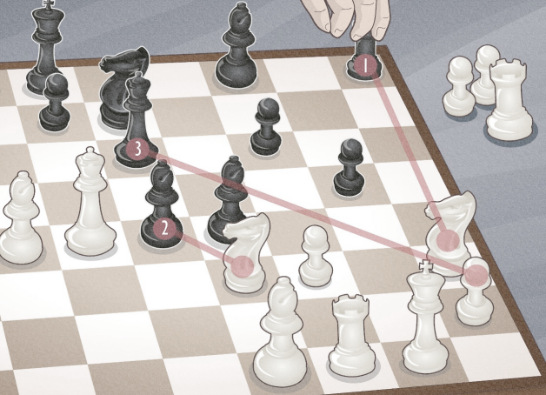
We need to appreciate the “long game” of tech development, current prompt engineering strategies are actually mirroring those old-school chess logic trees, with the ethical shift from raw data to “human-in-the-loop” design. Prompting mastery is the new skill, it requires one to anticipate the ripple effect of each move, rather than just writing a simple instruction.
Whether we’re looking at the grandmasters of the nineties or the prompt engineers of today, the common thread is that human curiosity and agility always set the pace.