
The proposed transition to digital receipts in South Africa highlights a significant opportunity to modernize record-keeping, streamline merchant tax compliance, and reduce the environmental impact estimated at 31.8 billion printed receipts annually. Integrating itemized digital receipts directly into consumer bank statements would eliminate reliance on non-recyclable thermal paper while improving budget control and transaction verification.
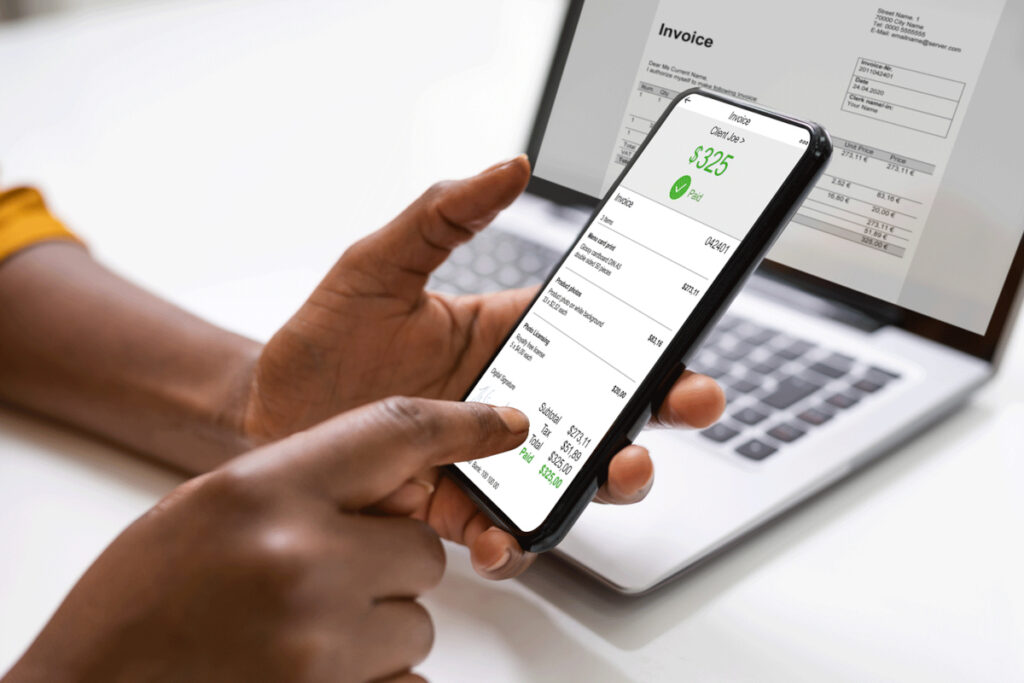
Have you ever had a transaction record that you remember approving but forgot what you bought and why. Lost a till slip and could not claim a refund. Wanted to confirm the price of something you bought, days after the transaction, only to find that you have already discarded the transaction slip.
I stumbled into this problem, you know how people say live a little and you will find life’s problems. Out in the heart of the village, I quickly realized, a) we still have a high volume of cash transactions daily and b) counter receipts (slips) are very important.
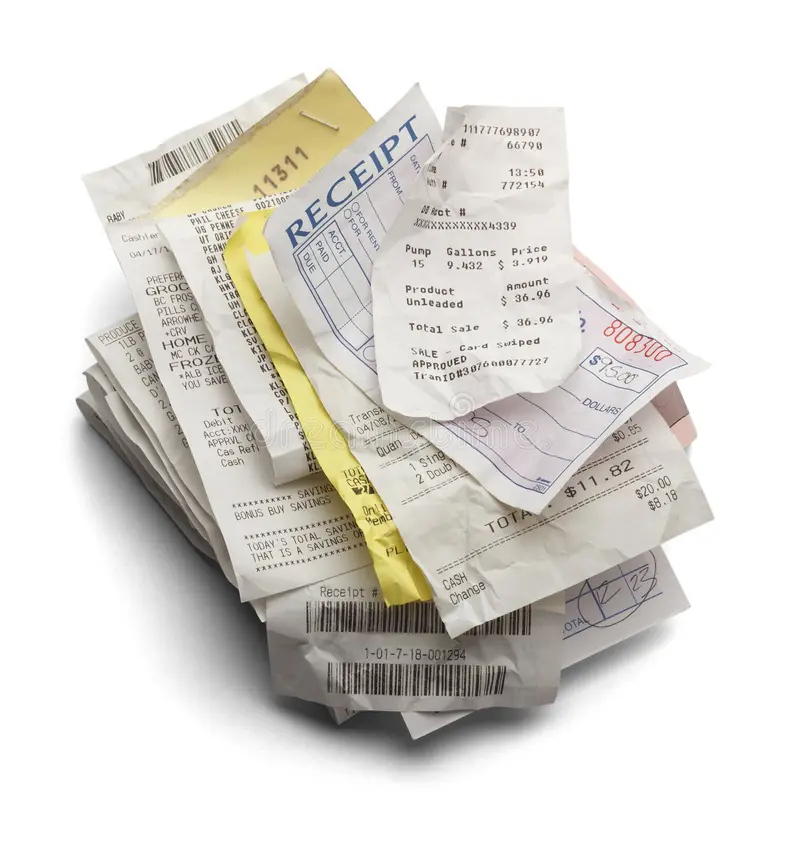
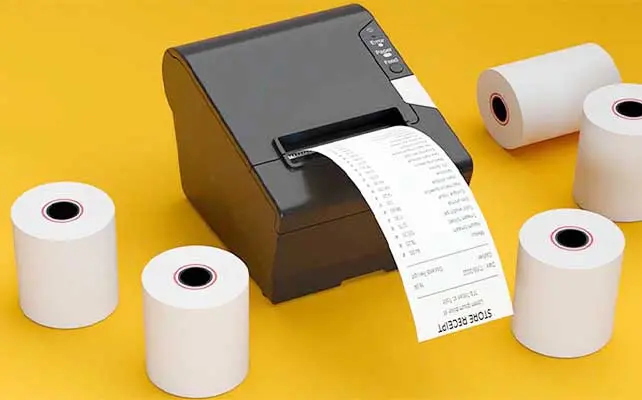
The slip; has the itemized list of items purchased at counter in both with all the necessary tax compliance data for audits. To date in South Africa, we do not have the option at most retailers to request a digital slip or a printed receipt. Retailers are mandated to print the receipt. Receipts are secondary decorations in mall dustbins and family cars, most of them stay in the purse never to be seen again, fading within 4 days of purchase.
Imagine opening your banking app (like Standard Bank, FNB, or Capitec), tap on a transaction, the app fetches that itemised breakdown in real time and displays a neat, digital slip right inside the transaction detail screen.
Besides the obvious, saving paper, decreasing human error, the digital receipt holds a higher value proposition than it’s print counterpart.
All transactions, cash and card, have transaction records. Note the transaction record will appear on your bank statement, but the digital transaction receipt is not available.
Integrating itemised digital receipts directly into bank statements is the ultimate “holy grail” of fintech. It fixes a massive blind spot: currently, a bank statement shows where you spent money (e.g., “Checkers R1,200”) but not what you bought (e.g., R400 of that was baby formula, R100 was taxable, etc.).
y merging the payment record from the bank with the itemised data from the retailer, the bank statement evolves from a simple ledger into a powerful financial advisor.
The digital receipts will allow every merchant to keep UpToDate tax records decreasing the rush for year-end financials and dependency on 3rd party providers to correct tax recons.
Digital Receipt Apps Work
- The Payment: You pay using a card, phone, or online checkout.
- Data Extraction: Point-of-sale (POS) systems or apps use Optical Character Recognition (OCR) to pull vendor names, totals, and tax data.
- The Sync: Networks securely match the payment to your digital identity and push the itemized record straight into your app.
The e-receipt includes all the details typically found on a paper receipt; Store or business name and contact information, Date and time of the transaction, Itemized list of purchased items or services, Subtotal, taxes, discounts, and total amount, Payment method and transaction ID, Return or exchange policy
Customers can store and access their digital receipts on multiple devices. With receipts available on email, sms, mobile apps or cloud storage, customers can access e-receipts from any device with an internet connection.
- Digital receipts platforms can offer merchants and customers data insights.
- Banks should allow for the integration of digital receipts as part of the bank statement as an additional value add, 05cents.
- Customer receipts linked to each unique user in line with their bank statement as a confirmation of purchase and itemized billing verification.
- Customers should be able to see the digital receipt on their mobile, directly via the receipts platform, this can be attached to royalty QR code.
The thing is, all of this is possible but, in most countries, there is a fragmented approach to digital consumer records. And as a result, the counter is still printing paper.
Integrating cash transactions into a digital receipt ecosystem is the hardest nut to crack, especially in South Africa where the informal cash economy (tuck shops, spaza shops, and street vendors) is massive. Because cash lacks a built-in digital footprint like a credit card, the system must bridge the gap between physical money and digital identities.
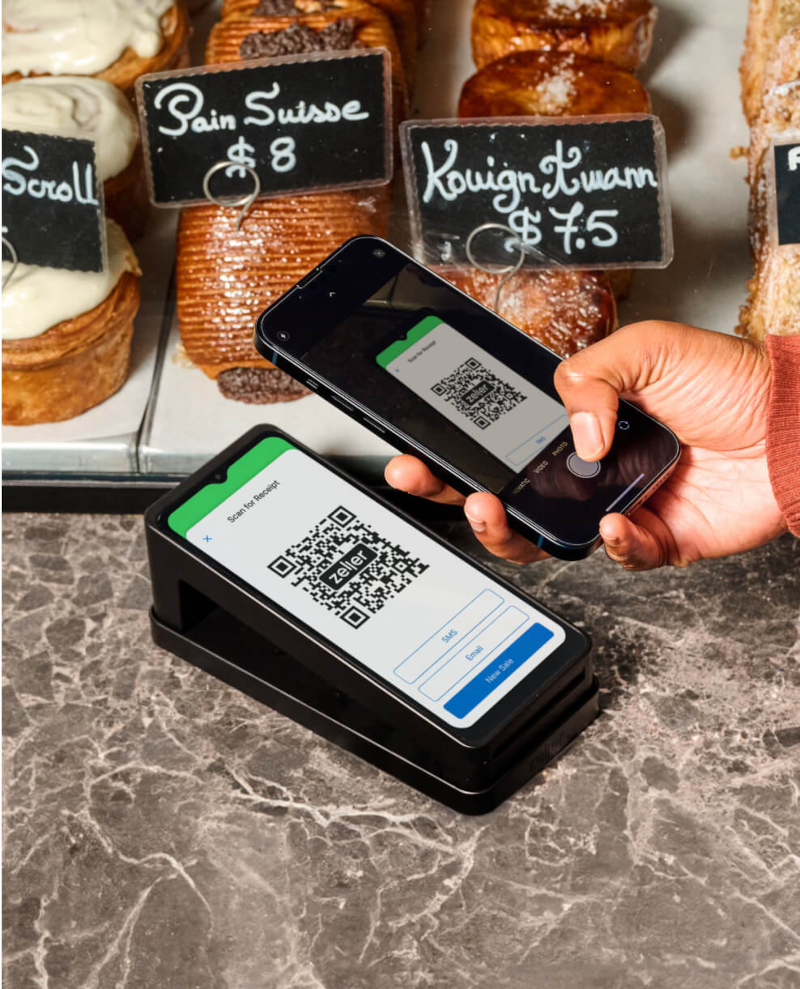
With so many merchants currently carrying a digital payment device on their phones these days, digitizing cash transactions is possible. When paying cash, the customer shows their QR code (which is securely linked to their digital identity or a receipt app). The merchant scans it using their mobile payment device (like a Yoco or Adyen turn-key machine). This keeps the transaction lightning-fast at the counter. The merchant’s phone registers the cash sale and instantly pushes the itemised receipt to the cloud bucket tied to that QR code.
The carbon footprint
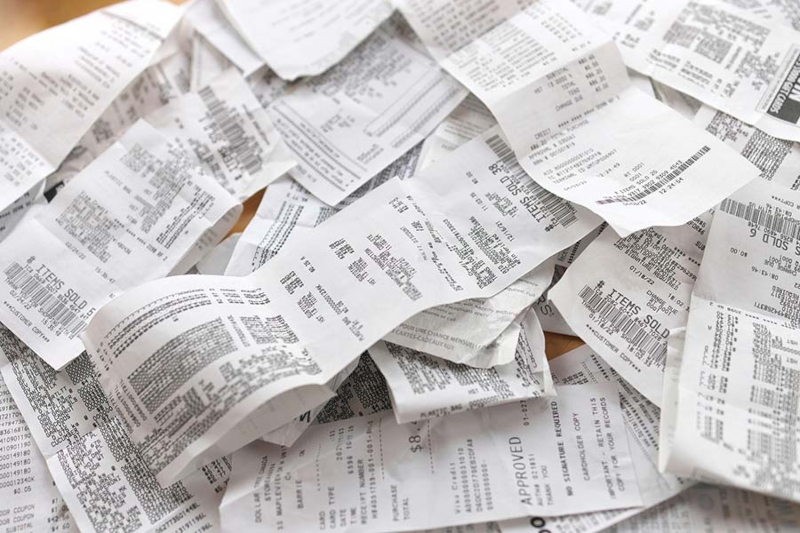
Italy prints 35 billion paper receipts made up of non-recyclable thermal paper annually. To produce this paper, 1.4 million trees are harvested (100 times NYC Central Park).
In Sweden, 60,000 trees are harvested annually for receipt production. The University of Technology Sydney found that Australia prints over 10.6 billion paper receipts annually. This results in an environmental impact equivalent to 96,227 metric tonnes of carbon, enough to power 18,500 NSW homes for a year.
Applying this equation, South Africa prints an estimated 31.8 billion paper receipts. Emitting, 288 681 tonnes of carbon, which could power 55 500 homes per year.
Framework for change
For banks to read receipts, there needs to be a unified, open-banking API standard (like Open Banking data protocols) that all retailers push data to.
Under South Africa’s Protection of Personal Information Act (POPIA), a merchant cannot blindly pass your exact basket data to a third party without explicit consent. Banks would need a seamless, one-time “opt-in” toggle inside their apps.
Cash transactions require an interim bridge, like a loyalty scan, to give the bank a digital identity to tie the receipt to.