
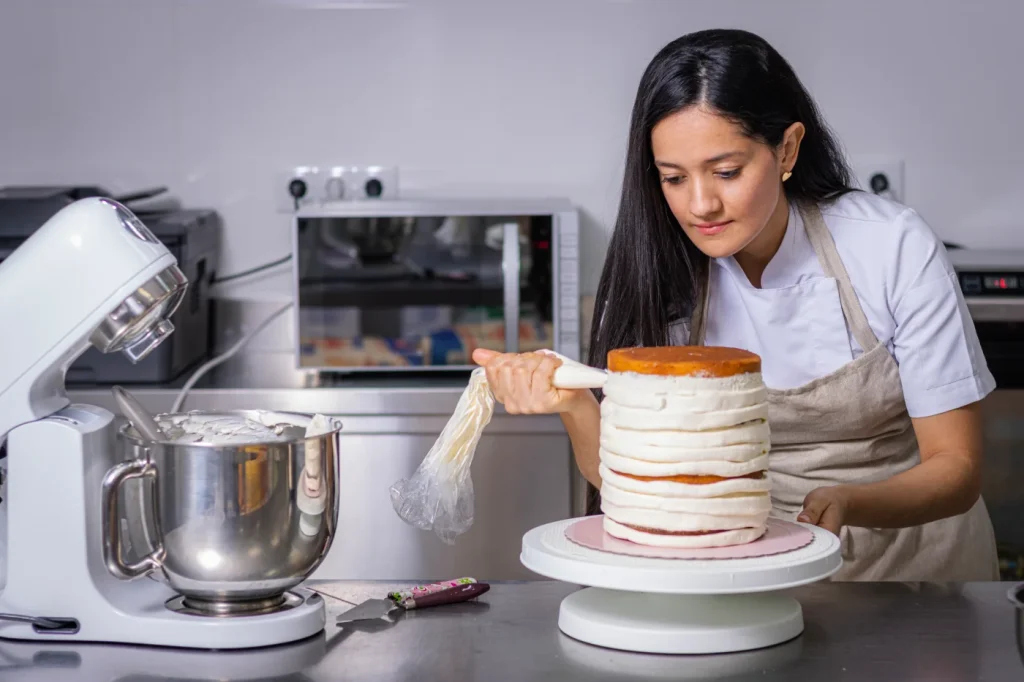
The global pandemic taught us a profound lesson in deceleration. Confined to our homes, stripped of the conveniences of modern life, millions of us collectively pivoted to a primitive, slow-burn art: learning to bake bread. We did not cultivate sourdough starters because it was efficient; we did it because it sustained us, grounded us, and required the one thing a machine cannot give, mindful human presence.
Today, we find ourselves standing at a much larger, more intimidating crossroads. The anxiety is palpable. Parents are rightfully bewildered, wondering what to teach their children when bots can already out-code, out-write, and out-process human graduates. New professionals enter a workforce where a university degree no longer guarantees stability, and job redundancies are announced daily. If bots can program bots, and machines can outpace human intellect, where exactly do we place humans in a world built for algorithms?
The natural impulse is to run faster on the digital treadmill, but that is a losing battle. The true answer requires us to step back, assess the limits of the machine, and rediscover the roots of human survival.
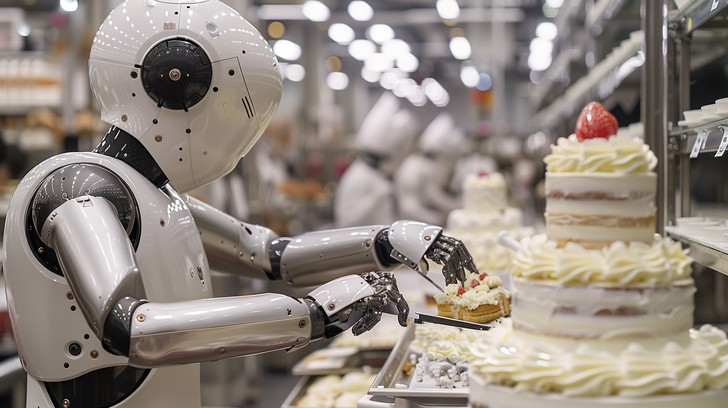
The Fragile Kingdom of the Machine; We often treat artificial intelligence as an ethereal, infinite cloud. In reality, it is bound to the earth. The pyramid of satellites, massive data banks, and mobile devices that allow AI to penetrate the most remote corners of human life is entirely dependent on finite minerals.
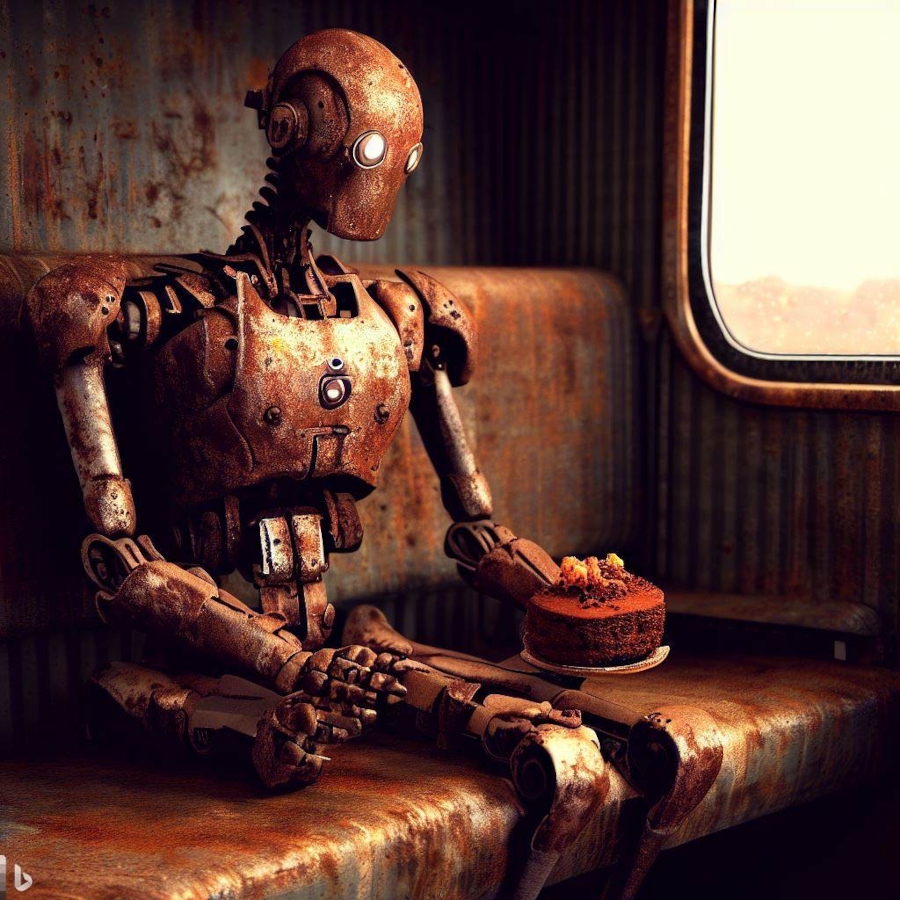
The world’s physical resources are not infinite. Silicon, lithium, and cobalt face hard geological limits. Eventually, hardware will decay, global mineral production will stagnate, leaving us on a pile of data-driven rust.
The Human Limitation; While the machine is limited by minerals, humans are limited by biology. Tech entrepreneurs claim that AI innovations were created to make living more enjoyable and less labour-intensive. Instead, the immediate reality has been hyper-acceleration. Humans are being drained by the relentless pace of synthetic machinery, leaving little room for us to test our own organic intelligence.
We cannot pace ourselves against an entity that never sleeps, never burns out, and processes life at a 10× speed. After running this artificial track a few times, the average person will naturally retreat to a simpler, more manual life.
This retreat is not a failure; it is an awakening. It forces us to seek answers in activities that only people can appreciate. Professions tied to human survival, empathy, and replenishment are core in this ‘new’ world:
- Caring for the body: Physiotherapy and tactile, hands-on healing.
- Caring for the mind: Psychiatry, therapy, and emotional holding space.
- Caring for the appetite: Culinary arts, sustainable farming, and the slow craft of real food.
A bot can generate a flawless chemical breakdown of a meal, but it cannot enjoy the aroma of rising dough, nor can it share the warmth of a dinner table.
An African Mirror; In Africa we have already seen a tragic version of this hyper-paced experiment playing out in African villages. For generations, vibrant young professionals have left their rural hometowns, bursting with life and ready to conquer the metropolitan rat race.
They give the city a gruelling 20-year slog, trading their life force for corporate metrics. Yes, some build houses and others fund community infrastructure, but a staggering majority return to their villages exhausted, dried out, and broken. The relentless push to thrive in environments built for capital efficiency rather than human biology leads to premature health challenges and lost vitality, all for very little return.
The human body has hard, non-negotiable limitations. We must accept this as a biological fact. Technology is a tool, not a counter-existence to the human species. When we treat technology as a master to be outrun rather than an instrument to be utilized, we replicate the tragedy of the corporate city slog on a global scale.
Next Gen; Learn to Bake Bread;
There are only two possible responses to the infiltration of AI. The first is to attempt to run with it; either by trying to out-pace it (a short-lived strategy) or innovating alongside it. The second response is to take a completely new path: a deliberate pivot back to basics before the machine forces our hand.
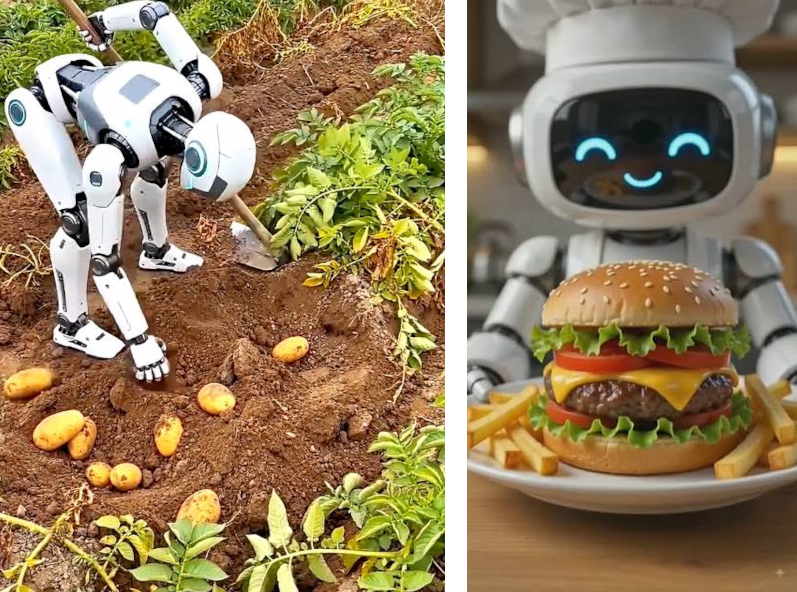
If you are wondering how to advise your children about the future, the message is simple: use the machine moderately, anchor your life in replenishing activities.
- Protect Your Intelligence: Do not allow the 10× convenience of AI to completely strip away your opportunity to think, struggle, and solve problems with your own mind.
- Master the Analog Basics: Prioritize skills that keep the heart calm and increase direct human connectivity, talking face-to-face, deep reading, manual writing, and tactile creation.
- Value the Essentials: Teach them to appreciate food, health, mental well-being, and community.
Preparing for this world might make you look resistant to change. In truth, it is the ultimate form of forward-thinking survival. We will never outpace the machine, but the machine will never understand the beauty of a freshly baked loaf of bread. Do not look too long in the wrong direction, food security is the new gold.